






1. Background & requirements
Traditional irrigation often relies on experience and fixed schedules — wasting water and missing crop needs. As water tightens and farming goes precision-first, efficient smart irrigation is essential.
基于此背景,以Real-time soil moisture sensingas its core, automated drip irrigation delivers clear value. By monitoring soil in the crop root zone directly, it waters on demand—supporting healthy growth while maximizing water savings. West Electronics (WES) smart irrigation is built for this need.
Core need: from experience-based to data-driven irrigation
- Precision water-saving needs: In large-scale farmland and landscaping, wasted water from ineffective irrigation can reachmore than 25%. The market urgently needs systems that control irrigation from true soil water content to deliver significant water savings.
- Yield and quality needs: Poor irrigation wastes water and hurts yield and quality. For example, on a Shandong farm growing wheat and corn, soil-sensor-based precision irrigation deliveredcrop yield up 18% of clear benefit. For cash crops such as olive groves, science-based irrigation can further raise fruit sugar content and oil yield.
- Automation & efficient operations: Across large, complex fields, manual patrol and hand control are costly and slow. Growers need remote monitoring and automatic actuation to cut labor dependence and raise response speed.
- Harsh-environment adaptability & reliable deployment: The system must handle plains, hills, and arid land, plus sun, rain, and dust. Sensors and controllers therefore need high ingress protection (e.g. IP67/IP68), a wide operating temperature range, and flexible install options (probe insert, shallow bury, etc.).
How West Electronics fits
世电科技提供的以WE-T214系列三合一土壤传感变送器together with边缘智能控制网关-centric IoT architecture answers those needs. The system measures the crop root zone in real time and with precision for土壤温度、水分(湿度)和电导率,并通过4G/LoRa双模无线通信uploads data to the cloud platform or a local controller. The control center applies preset irrigation policies, issues commands, and drives field solenoid valves open/closed with precision—closing the sense → transmit → decide → act loop.

The solution turns traditional irrigation into data-driven smart management and offers a practical path for water stress and sustainable agriculture. Next: core device selection and overall architecture.
2. Sensor & controller selection
Moving from experience-based to data-driven irrigation starts with reliable, scene-fit hardware. This design follows field-irrigation needs for精准节水,高产提质,自动化管理up to复杂环境适用性 core needs, combined with West Electronics (WEDC/WEST) mature product lines, as selected below.
(1) Sensing layer: WE-T214 three-in-one soil transmitter
As the system’s “eyes,” soil sensors capture real-time root-zone moisture data. The West WE-T214 series is a high-performance multi-parameter transmitter built for agricultural environments.
1. 型号选型与通信配置
To fit different field coverage and communication-cost needs, two main models are offered:
- WE-T214(4G版): For areas with good coverage and high stability needs. Built-in 4G supports LTE FDD bands (B1/3/5/7/20/28) and uploads data to the cloud quickly and stably.
- WE-T214(LoRa版): Where 4G is weak or the gateway is nearby—large fields without public network—its LoRa module (410.125–490.125 MHz) enables最远0.5-1公里(空旷视距) local wireless mesh; data aggregates at the edge gateway then uploads to West Electronics / WES.
2. 关键性能参数与选型依据
| 参数类别 | Technical indicators | 选型意义 |
|---|---|---|
| 测量参数 | 土壤温度、土壤水分(湿度)、土壤电导率(EC) | Simultaneously monitors three key factors—water, heat, and salt (fertility-related)—for full data support to irrigation and fertigation decisions.需明确:本产品不直接测量氮、磷、钾养分。 |
| 测量范围与精度 | Temperature: −40 °C to 85 °C (±0.5 °C, 0–40 °C); moisture: 0–100% (±3%); conductivity: 0–20 mS/cm (±3% FS) | highly accurateensuring reliable decision data. ±3% soil-moisture accuracy is enough to judge irrigation timing and volume precisely. |
| protection class | 变送器主机:IP67 传感器探头:IP68 | 全密封防水防尘, withstanding field rain wash, splash, and dust to ensure long-term stable operation. |
| operating temperature | 主机:-20℃ ~ 70℃ 探头:-40℃ ~ 85℃ | 宽温工作,适应从酷暑到严寒的全年候大田环境,保证数据连续性。 |
| Power supply method | 宽电压DC 9-30V(典型24V),支持太阳能板(40W20AH) 供电方案 | Flexible power options address hard-to-electrify fields; solar power lets devices run independently where mains power is unavailable. |
| Installation | 探头支持探针插入式、浅层埋置式、深层钻孔式 | Choose by soil texture (sand, clay) and target root depth (e.g. 20–30 cm) so readings represent the crop’s real water-uptake layer. |
| 本地交互 | 配备高清晰度LCD显示屏 | On field checks, real-time data can be read at a glance—handy for install, commissioning, and on-site verification. |
3. Field application validation
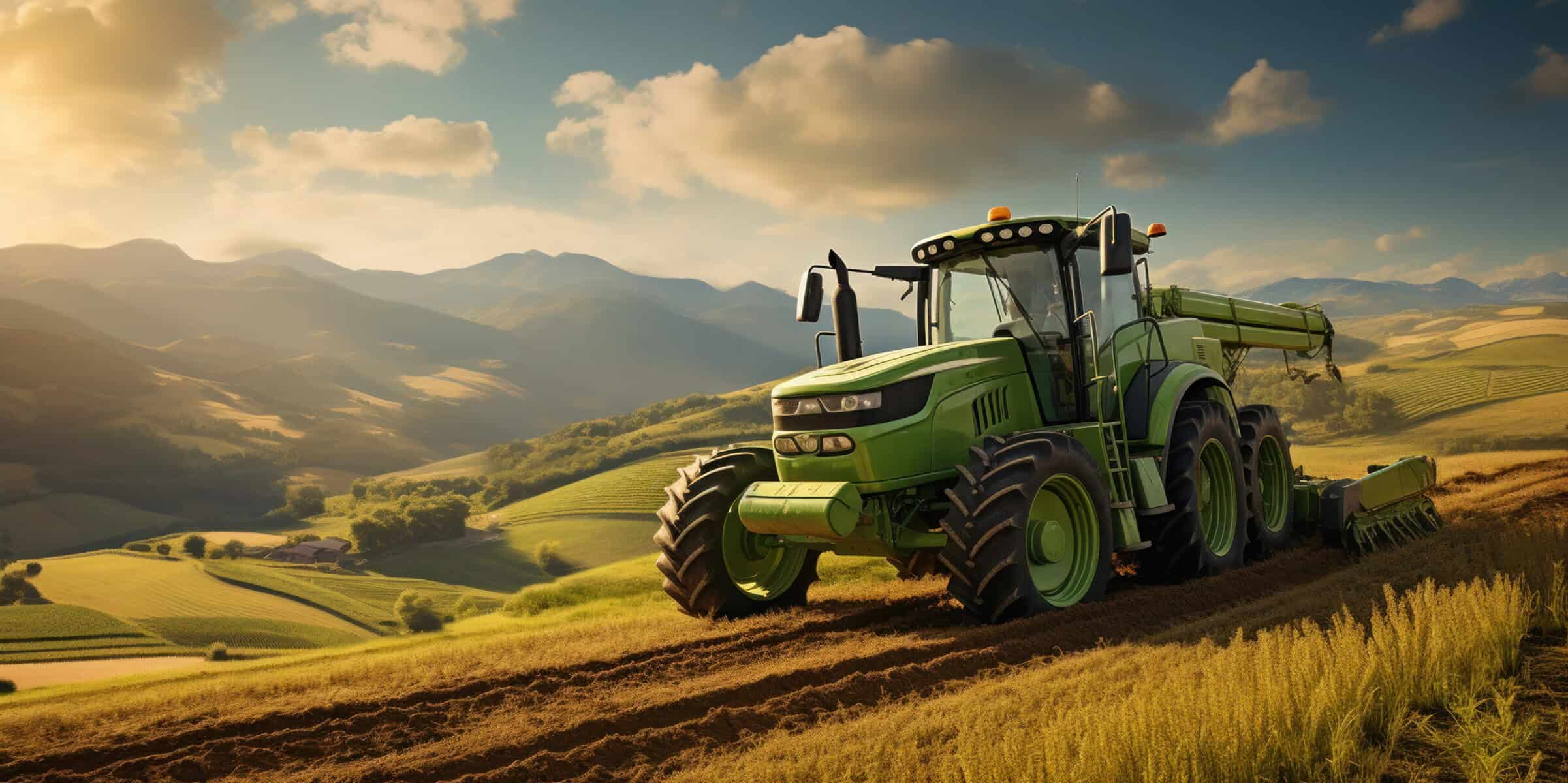
The sensor is already used for precision management of field crops such as wheat and corn. On a farm in Shandong, China, probes at the 20–30 cm root zone enabled on-demand watering from live data and deliveredwater savings of 25% and crop yield up 18% 的量化效益,充分验证了其可靠性与实效性。
(2) Control & actuation: edge gateway and modular I/O
The system’s “brain” and “hands” are the edge intelligent control gateway and modular I/O—aggregating data, deciding, and executing irrigation commands.
1. Core control host: WE-X280 edge acquisition gateway / programmable controller
这是整个田间控制系统的中枢神经,选型理由如下:
- 强大的边缘计算能力: Built-in edge computing engine for high-precision conversion, cleaning, and local logic on raw sensor data—enabling fast response and continued control when the network is down.
- 灵活的通信枢纽::
- 上行连接云端:支持4G Full Netcom(FDD/TDD LTE多频段)与Ethernet(10M/100M自适应),确保控制指令下发与数据上报通道顺畅。
- 下行连接现场设备:支持LoRa无线(与传感器同频段组网)与RS-485有线总线,一台WE-X280可连接多达128个现场传感与控制设备。
- 开放协议支持:原生支持MQTT,Modbus RTU/TCP,HTTP及WES云服务协议,便于与第三方系统集成。
- 扩展能力:提供专用I/O扩展接口,最多可扩展连接16个I/O节点设备,为系统扩容预留充足空间。
- 工业级设计: 24 VDC power, operating temperature −20–70 °C; though rated IP20, it is usually installed inside a higher-IP户外配电箱内,以适应田间环境。
2. Modular I/O acquisition & control units: WE-X2系列**
Match modules to valve zones, pumps, and monitoring points; combine with the WE-X280 gateway into a tailored control system:
| 核心选型模块 | Functional Description | 在灌溉系统中的作用 |
|---|---|---|
| WE-X201 | 8路继电器数字量输出(DO) 规格:DC 3A 30V / AC 3A 125V | 核心执行驱动单元。每路继电器可直接控制一个电磁阀 or control pump start/stop via an intermediate relay for irrigation zone on/off. |
| WE-X219 | 4路数字量输入(DI) + 4路继电器输出(DO) | Combines status monitoring and control. DI can sense pump run state and valve feedback; DO drives valves. Fits scenes that need status feedback. |
| WE-X202 / X203 | 4/8路模拟量输入(AI) (电流0-20mA/4-20mA或电压0-5V/0-10V) | Used to connect other analog sensors (e.g., weather stations, pressure sensors) and expand monitoring dimensions. |
| 其他模块 (X200, X220等) | 纯DI或DI+AI组合 | 根据额外监测需求(如防盗、门磁、水压)进行选配。 |
3. 执行终端与配套
- 电磁阀/脉冲阀: Final actuators take relay on/off from modules such as WE-X201 to open/close field irrigation laterals. The design is compatible with common导引脉冲阀(如DN50口径)等滴灌专用阀门。
- 田间控制箱:内置空气开关,24V电源模块,中间继电器及上述WE-X280网关与IO模块, forming a complete field irrigation control unit that powers, protects, and controls all devices.
(3) Example field configuration table
| 应用场景特点 | 传感器推荐配置 | 智能控制推荐配置 | 核心考量 |
|---|---|---|---|
| 平原大型农场,4G信号覆盖好 | WE-T214 (4G/LoRa标准版), 使用4G模式直接上云。 | 1×WE-X280网关 + N×WE-X201模块(N=阀区数/8)。 | 利用4G实现广域、低延迟的直接云控,简化架构。 |
| 丘陵或网络覆盖差的连片农田 | WE-T214 (4G/LoRa标准版), 启用LoRa模式组网。 | 1×WE-X280网关(LoRa汇聚)+ N×WE-X201模块, 网关通过4G或以太网回传。 | 通过LoRa克服地形与无网障碍,实现大面积低成本无线覆盖。 |
| 高标准农田+水肥一体化 | WE-T214传感器 + 额外AI模块接入EC/PH等传感器。 | WE-X280 gateway + WE-X201 (valve control) + WE-X202/X204 (fertilizer-solution EC/pH monitor and control). | Expand analog interfaces to integrate more water-quality and fertility parameters for precise fertigation decisions. |
With this selection, the hardware meets high-accuracy sensing, reliable transport, and smart control—plus strong environmental fit (IP67/IP68, wide temperature, solar power) and flexible deploy (wireless/wired, modular expansion)—a solid base for automated precision drip irrigation.
3. System architecture
This section builds a data-centric, highly automated closed-loop control system. It strictly follows the “感知-传输-决策-执行” logic, folding mature West Electronics hardware into a stable, reliable, extensible architecture for precise, on-demand field-crop irrigation.
3.1 Overall architecture
The system uses layered modular design so each layer has clear duties and is easy to deploy, maintain, and extend. Core layers: sensing; transport & edge control; cloud platform & application.

1. 感知与采集层
This is the system’s “nerve ending”—directly capturing first-hand field soil data.
- 核心设备::WE-T214系列三合一土壤传感变送器.
- 部署要点: Bury probes at typical crop root depth (wheat/corn often 20–30 cm) in representative growth zones—avoid berms and ditch edges—so data is representative.
- functionality:实时、同步采集土壤的temp,体积含水量(湿度) respond in singing电导率(EC) three key parameters as direct input to irrigation decisions. The device has an onboard LCD for on-site reading.
2. 传输与边缘控制层
This is the system’s “local brain” and “neural net”—aggregating data, running local logic, and driving actuation.
- 核心设备::WE-X280边缘采集网关.
- 角色:作为区域控制中枢,部署于田间控制箱内。
- 上行通信:通过4G Full NetcommaybeEthernet将聚合数据上传至云平台。
- 下行通信:通过LoRa无线网络(空旷视距达5km)或RS-485有线总线, connecting dispersed soil sensors and expansion I/O modules. One gateway can manage up to128个终端节点,覆盖面积广。
- 扩展控制模块:采用导轨安装的WE-X2系列模块,灵活配置。
- 控制输出::WE-X201(8路继电器)或WE-X219(4DI+4DO)模块,其继电器输出触点直接驱动田间电磁阀(如DN50导引脉冲阀)的开启与关闭。
- 状态反馈与扩展监测::WE-X200 (8DI) modules can take digital signals such as valve open/close feedback and pump run status;WE-X202/X203 and similar analog input modules can take extra water-quality sensors (e.g., pH, residual chlorine), reserving interfaces for fertigation.
- 供电与保护:控制箱内集成24VDC电源模块为整套系统供电,并配备空气开关,中间继电器等,确保电气安全与可靠控制。
3. 云平台与应用层
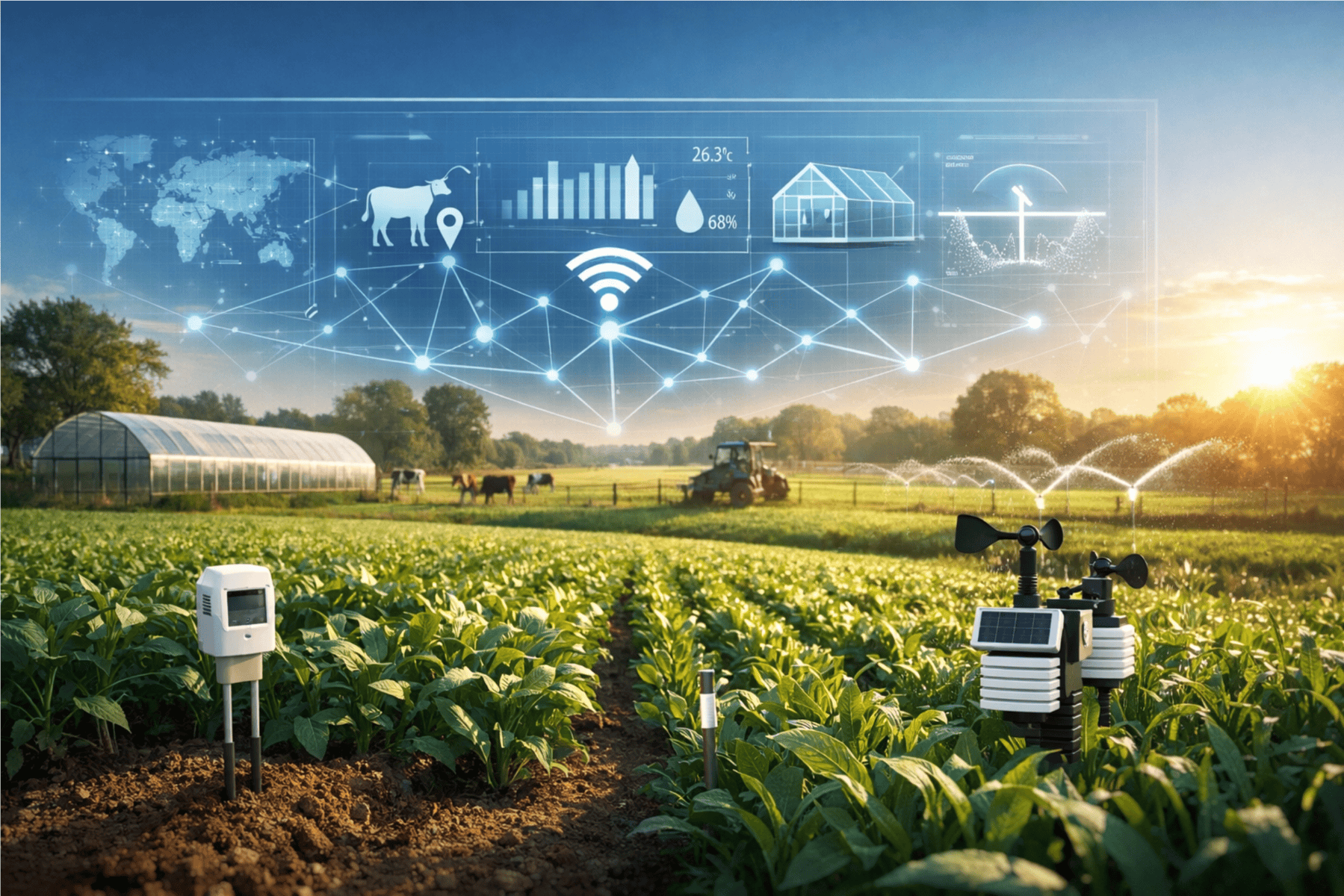
This is the system’s “command center” and UI—aggregating, analyzing, deciding, and managing globally.
- data convergence:WE-X280网关通过MQTT、Modbus TCP或HTTP等标准协议,将数据稳定上传至世电云平台或用户指定的第三方监控平台/数据中心。
- 智能决策与可视化::
- The platform’s built-in irrigation strategy engine lets users set fully automatic policies from soil-moisture thresholds by crop and growth stage.
- Provides web and mobile dashboards with live soil-moisture maps by zone, historical curves, device status, and irrigation records.
- Supports anomaly alarms (e.g., abnormal data, device offline, irrigation timeout) and generates irrigation reports plus water-use statistics.
3.2 Typical topology & deployment
Based on terrain, acreage, and network infrastructure, two proven typical deployment modes are offered.
Mode 1: 4G direct centralized control (contiguous plains farms with good 4G)
- 拓扑特点:每个WE-T214传感器独立通过内置的4G模组直接与云平台通信。WE-X280网关同样通过4G上行,并通过RS-485总线本地连接多个WE-X201继电器模块。
- dominance: Flexible placement—sensor sites are not limited by cable runs; direct uplink, low latency. Suited to flat, well-covered large farms.
Mode 2: LoRa mesh + 4G backhaul (hills, mountains, or large areas with weak 4G)
- 拓扑特点:所有WE-T214(LoRa版) 传感器通过LoRa无线网络将数据汇聚至中心的WE-X280网关。网关作为LoRa主站与4G网关,完成数据汇聚后,再通过4G网络统一回传至云端。
- dominance: LoRa’s long range (5 km) and low power greatly extend one gateway’s coverage, cut reliance on public mobile networks, and lower long-term comms cost—especially where infrastructure is thin.
3.3 Data flow & closed-loop control
The core of precise irrigation is a complete data-driven closed loop, running on the山东农场的实际应用案例所验证的节水增产逻辑运行:
- 数据感知: Field-deployed WE-T214 sensors collect root-zone soil moisture on a configurable interval (e.g., 1 minute to several hours).
- data transmission:数据通过4G或LoRa网络传输至WE-X280网关,并进一步上传至云平台。
- 智能决策: The cloud compares live moisture to preset crop water thresholds. When a zone falls below the trigger, it auto-creates an irrigation command (or the WE-X280 decides from local policy).
- 指令下发与执行:灌溉指令经云端下发至目标区域的WE-X280网关,网关驱动对应的WE-X201继电器模块闭合,开启该区域的电磁阀,启动滴灌。
- 反馈与调整: During irrigation, sensors keep watching moisture. At the upper target, the system auto-commands stop. Pump-cabinet status can also feed back for full monitoring.
- 效果量化: This closed loop makes every irrigation a response to a real “water-deficit” signal—avoiding timed flood waste—and delivers results such as the case’s25% water savings together with增产18% 的量化效益。
The architecture blends West product reliability and flexibility. Standard interfaces and protocols (e.g. Modbus, MQTT) let it run standalone and join wider smart-ag ecosystems later.
4. Water-saving & precision control benefits
By fusing high-accuracy sensing, smart decisions, and automated actuation, the system shifts irrigation from experience-based to data-driven. The core win is not only clear water savings, but a full-chain, quantifiable, traceable precision-control system.
1. Clear water savings: from flood irrigation to precise feeding
Traditional irrigation leans on human experience—wrong timing and uneven volume cause evaporation, deep percolation, or runoff loss. This system’s water-saving logic is based on “按需供水” 的闭环机制,其成效已在多类场景中得到验证。
- 量化节水数据:在中国山东某农场 field crops (wheat, corn), by monitoring 20–30 cm root-zone soil moisture in real time and linking irrigation,achieved water savings as high as 25%. Likewise in landscaping, distributed monitoring avoids wet/dry imbalance across zones and cancut water waste by more than 25%.
- 动态阈值控制: Users can, by crop and growth stage, set on the cloud platform or edge gateway灵活设定土壤湿度的上下限阈值. When sensor readings fall below the lower limit, irrigation starts automatically; at the upper limit it stops—so each cycle serves the crop’s water-need threshold and avoids overuse.
2. Multi-dimensional precision control
Precise control is the foundation of this system’s water savings and yield gains—backed by sensing, decision, and actuation technologies end to end.
- 高精度、多参数感知基础::
- 核心感知设备WE-T214系列三合一土壤传感器, providing soil moisture at ±3% accuracy, soil temperature at ±0.5 °C (0–40 °C), and soil conductivity at ±3% FS.
- 多参数联动分析: Not only “water,” but also “temperature” and “salt.” In heat, pairing moisture with soil EC can refine irrigation—meet water need while limiting root-zone salt buildup that harms crops.
- 边缘智能与实时决策::
- 系统核心控制器WE-X280边缘采集网关Built-in edge computing engine. It performs high-precision digital conversion, anomaly cleaning, and local logic on raw sensor data.
- 双模决策机制: Supports cloud–edge collaboration. With a stable network, the cloud can run complex policy and long-term learning; on outage or when speed matters, the edge gateway runs local automation from preset rules—keeping irrigation timely and reliable.
- 灵活、可靠的通信与控制架构::
- 通信全覆盖:传感器支持4G网络直连maybeLoRa自组网(up to 5 km line-of-sight in open terrain) backhaul—from plains fields to hills without public network. The gateway supports 4G, Ethernet, RS485, and other uplinks.
- 标准化协议与控制接口:系统全面支持MQTT、Modbus (RTU/TCP) 等工业物联网协议,确保与第三方设备的兼容性。通过WE-X2系列I/O模块 (e.g., X201 relay output modules) can drive solenoid valves directly—fast loop response and accurate commands.
3. Environmental robustness & reliability
Precise control only creates value when it runs stably in harsh field conditions; this system’s hardware design fully supports that.
- 设备级 rugged 设计:传感器主机防护等级IP67,探头IP68, wide DC 9–30 V supply, wide operating temperature (host −20–70 °C; probe −40–85 °C), acid/alkali resistant—stable long-term in windblown dust, rain, heat, and freeze.
- 灵活的安装与部署:传感器采用分体式结构,支持探针插入式、浅层埋置式、深层钻孔式 and other mounting options—choose flexibly by soil texture and root-zone depth so readings represent the crop’s real growing environment.
4. Beyond water savings: broader value
精准控制带来的效益是系统性的,远超节水单一维度。
- 增产与提质:前述山东案例中,在节水25%的同时,实现了crop yield up 18%。在温室番茄、橄榄树种植等经济作物场景,科学灌溉能有效提升果实糖度与出油率,直接增强产品市场竞争力。
- 节能与省工: On-demand irrigation cuts unnecessary pump runtime and power or fuel use. Full automation plus remote monitoring (PC web or mobile) sharply reduces field patrols and manual valve work—more precise farm management with fewer staff.
- 决策支持与风险规避: Long, continuous soil-environment data gives agronomists a base to refine irrigation schedules and fertilization plans, reduce yield risk from drought or uneven watering, and raise predictability and resilience.
In sum, the advantage is not one feature but a full value loop: precise soil data drives smart automated control toward clear resource savings and better returns. Field irrigation moves from fuzzy, experience-based practice into measurable, optimizable, traceable smart agriculture.
5. Field crop cases & benefit assessment
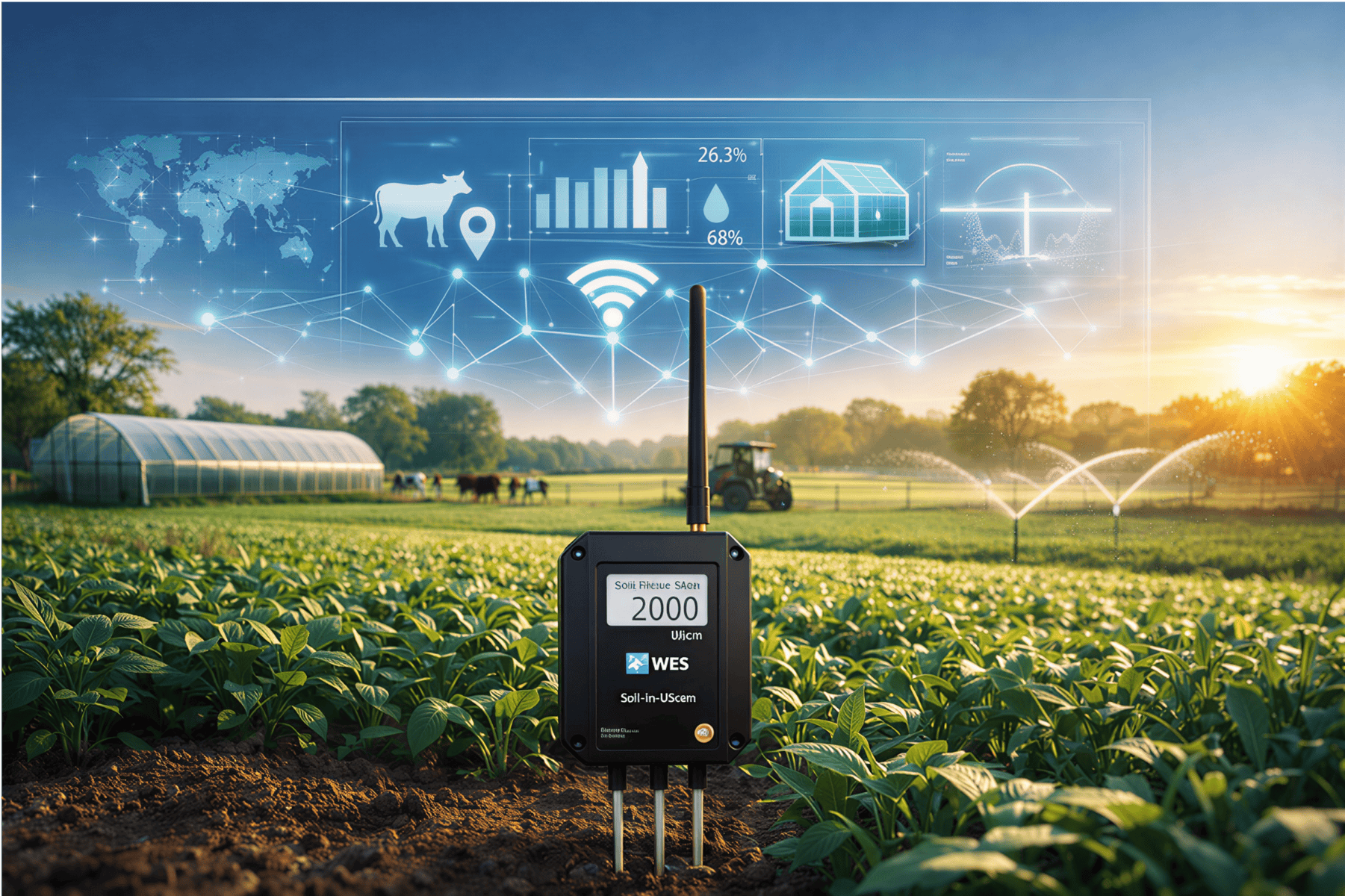
The architecture and benefits above are proven in real field planting with quantifiable, repeatable results. This chapter examines the core case and assesses overall benefits.
5.1 Core field case: precision irrigation for wheat & corn on a Shandong farm
📍 案例地点:中国山东省某规模化农场。
🌾 应用作物:小麦、玉米轮作。
🔧 部署方案: The farm deployed West WE-T214 soil sensors in the critical root layer (20–30 cm deep) to monitor moisture, temperature, conductivity, and nutrient-related data in real time. Data goes wirelessly to the cloud; the system links live soil conditions to irrigation solenoid valves—fully realizing “按需供水” 的自动化闭环控制。
📊 量化成果::
After a full production-cycle deployment, the system delivered the following verified results:
- 节水效果:相较于传统的定时漫灌模式,irrigation water use down 25%.
- 增产效果:在水肥协同优化下,wheat and corn yields rose 18% on average.
This case fully demonstrates that soil-sensor-based smart drip irrigation on staple field crops can deliver “节水增产”双重目标 feasibility; its technical path and results form a mature pattern for similar plain grain regions.
5.2 Extended application scenes
Beyond this staple-crop case, the same architecture and gear—reliable and flexible—already fit wider agriculture and ecology scenes:
- 经济作物种植园:在橄榄树种植园, by defining and executing science-based irrigation plans, the system effectively regulates the soil environment,助力提升橄榄果实的糖度与出油率,从而增强最终产品的市场价值。
- 生态修复与林业:适用于沙漠土壤监测, providing data support for conservation irrigation of windbreak/sand-fix plants such as sea buckthorn and saxaul, improving water-use efficiency and supporting ecological restoration.
- 设施农业:在温室环境中,如用于番茄种植,系统不仅能实现节水节肥,文档显示同样能带来 about 18% yield gain.
- 园林绿化:在城市公园、道路绿化带等场景,精准灌溉可 cut water waste by more than 25%。在景观苗木移栽过程中,通过土壤环境匹配与动态监测,能 raise transplant survival by more than 30%,大幅降低补种成本与养护风险。
5.3 Overall economic benefit assessment (ROI framework)
投资世电智能滴灌系统的回报主要体现在 “节本”与“增效” two core dimensions. Below is a systematic economic-benefit framework based on verified field data.
💰 主要投资成本(一次性与年度)
- 硬件设备采购:土壤传感器(如WE-T214)、网关(WE-X280)、I/O控制器、电磁阀、管线及辅材。
- 软件与平台服务:云平台接入、数据分析与系统授权费用。
- 安装调试与培训:现场的部署、集成及人员操作培训成本。
📈 核心运营收益与成本节省(年度)
- 直接收入增加::
- 产量提升收益:基于主粮作物平均18% 的增产幅度,可直接换算为额外的销售收入。
- 品质提升溢价:如橄榄园案例中,果实品质改善可能带来的市场价格提升。
- 直接运营成本节省::
- 水费节省::25% 的节水率直接转化为灌溉水费或抽水电/油费的下降。
- 肥料节省: Precision fertigation based on soil EC and nutrient data can cut over-application and runoff, lowering fertilizer cost.
- 人力成本节省: Fully automatic operation and remote monitoring greatly cut long-term labor for field patrols and manual valve switching.
- 间接风险规避与长期价值::
- 保障稳产:避免因干旱或灌溉不均导致的意外减产风险。
- 提高成活率:如园林移栽场景30% or higher survival gains directly save replanting material and labor cost.
- Decision Optimization: Long-term soil data accumulation supports planting plans and variety choice, creating lasting agronomic value.
Content Reviewer: Josh Xu
 简体中文
 English